Game overview
1666 Amsterdam Game: What It Is, How It Plays and What to Know
1666: Amsterdam is Panache Digital Games' dark, story-led third-person action-adventure. This overview separates the full game from the free Prologue, explains the confirmed gameplay pillars, and marks the details that should remain unconfirmed until Early Access expands.
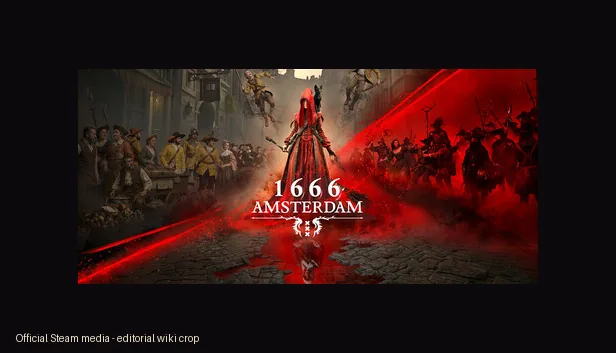
Quick answer
The 1666 Amsterdam game is a dark historical action-adventure built around investigation and witchcraft.
The 1666 Amsterdam game is a third-person, story-led action-adventure from Panache Digital Games. Its premise combines a wealthy but haunted Amsterdam, occult investigation, a heroine called Noa Brooklyn, and supernatural entities known as The Originals. The game is not a browser title, not a fan remake, and not a standard Assassin's Creed release. It is a separate Panache project with its own characters, mythology, and release pages.
Players searching for the 1666 Amsterdam game usually want a direct identity answer before they read a long wiki. The short version is that the project mixes exploration, observation, investigation, witchcraft, and direct supernatural confrontation. Official material presents Noa as The Collector, a role tied to the Zaindaris and the hidden forces influencing the city. Aaron adds a different companion perspective, including a cat-form playstyle that changes how the world can be read and crossed.
The free 1666: Amsterdam Prologue is the public entry point, but it is not the complete game. Steam presents it as a short narrative experience that introduces the world, characters, and central mystery. The full game has a separate Steam page and remains a future-facing project with a release date still to be announced. That distinction matters: a Prologue walkthrough, a download guide, and a gameplay overview answer different questions and should not be merged into one vague page.
This page therefore focuses on the entity-overview intent behind the phrase 1666 Amsterdam game. It explains what the game is, how the main pillars fit together, what the Prologue can prove, which details are still unknown, and where to continue for release, requirements, gameplay, or official download information. It does not invent a final skill tree, enemy list, map size, multiplayer mode, or exact launch schedule.
Search intent boundary
What a useful 1666 Amsterdam game overview should answer
The broad game query needs a stable identity page, while narrower release, download, gameplay, story, and character questions belong to their own guides.Game identity first
Answer the genre, developer, setting, protagonist, supernatural premise, and full-game versus Prologue distinction before sending readers into detailed guides.
Confirmed pillars only
Use official store copy, developer material, and the public Prologue as the evidence boundary. Do not turn a trailer impression into a final mechanic.
Separate adjacent intents
Release-date, Steam, demo-download, system-requirements, story, gameplay, and character searches already have dedicated routes on this site.
Keep the page update-aware
Early Access can change requirements, systems, and availability. Readers should recheck official store pages when making a purchase or installation decision.
No invented certainty
A strong overview says what is known, what is visible, and what is not yet published instead of filling gaps with guessed release or gameplay details.
Core pillars
How the 1666 Amsterdam game is designed to work
The public description points to a connected loop of movement, investigation, supernatural tools, and confrontation rather than a single combat-only mode.Move through a dangerous historical city
Amsterdam is more than a backdrop. Official visuals and descriptions frame it as a city of wealth, hidden pressure, and occult activity, so streets, interiors, and ritual spaces carry narrative context.
Observe before choosing a target
The Collector premise asks Noa to find entities that can hide behind ordinary people or events. Reading a scene, noticing clues, and understanding the situation should matter before the confrontation begins.
Use witchcraft as an interaction layer
Witchcraft is one of Noa's defining abilities. The safest current description treats it as a supernatural way to investigate, influence, protect, or pressure a situation, not as a confirmed list of final spells.
Confront The Originals during the Esbat
The Esbat is presented as the point where hidden entities can be faced more directly. This gives the game a rhythm that moves from uncertainty and discovery toward occult action.
Carry story knowledge into later play
The project is story-led, so understanding factions, identities, and timeline clues can be as important as reacting quickly. Later Early Access builds may add systems and consequences that the Prologue cannot show.
Gameplay pillars
Exploration, investigation, witchcraft and action
These pillars describe the current public identity of the game without pretending that every final system has already been published.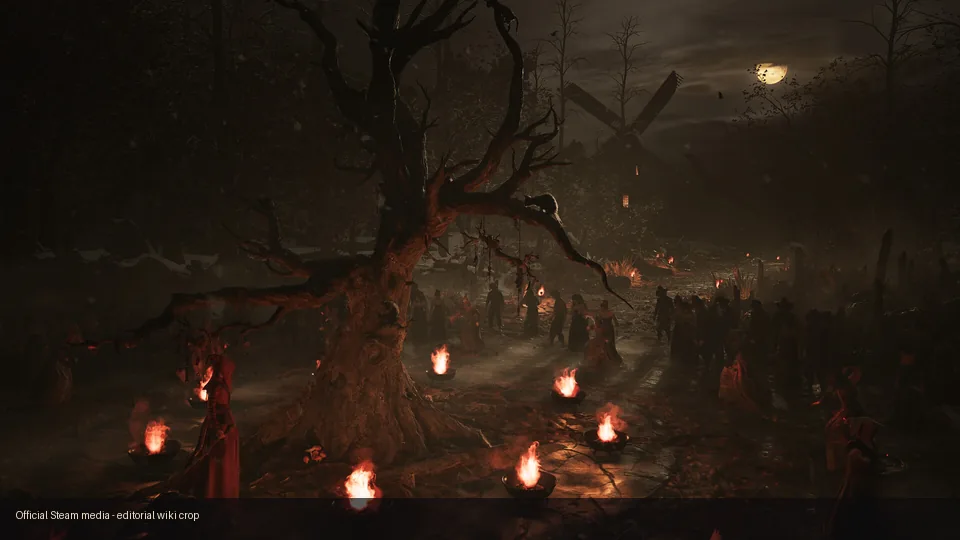
Third-person action-adventure
The camera, official descriptions, and public footage place the game in a third-person action-adventure frame rather than a turn-based strategy or point-and-click mystery format.
Investigation and target identification
The player is not only clearing enemies. The core fantasy is learning what a scene hides, identifying supernatural actors, and deciding how to approach the danger.
Witchcraft and occult pressure
Noa's witchcraft gives the game its supernatural identity. Until final systems are documented, describe its role broadly and avoid invented spell names, damage values, or upgrade paths.
Noa and Aaron perspectives
Noa is the central Collector figure, while Aaron's cat-form perspective suggests a different way to move, observe, and understand the environment.
A dark story-led tone
The city, demons, ritual language, and night-time pressure create an occult atmosphere. Current evidence supports dark action-adventure more clearly than a pure survival-horror classification.
Full game vs Prologue
What the free Prologue tells you about the 1666 Amsterdam game
The Prologue is the most practical way to understand the project's tone, writing, camera, opening structure, and first set of character questions. It is useful for deciding whether the setting and mystery appeal to you before you follow the full game's Early Access development. It also gives this wiki real material to discuss instead of treating every trailer frame as confirmed gameplay.
The Prologue is still a sample, not a complete mechanical review. A short narrative introduction cannot establish the final map scale, enemy variety, progression, advanced witchcraft, mission length, or long-term combat rhythm. The full-game Steam page is separate, and the official store or developer pages remain the right place to verify release timing, system changes, and availability.
Keep the two products separate when you search, link, or write a guide. The Prologue answers whether you can try the opening experience now. The full game answers what Panache is building toward. Treating them as one release creates inaccurate download buttons, misleading version claims, and overconfident gameplay promises.
- Use the Prologue to judge atmosphere, presentation, basic pacing, and the opening mystery.
- Do not assume it contains every enemy, district, spell, mission type, or progression system.
- Use the spoiler-light walkthrough after playing if you want to preserve the first-run mystery.
- Wishlist or follow the full game separately because the Prologue and full game use different store apps.
- For installation, use official Steam or Epic pages rather than mirrors, cracks, APK claims, or browser-play pages.
Expectation check
1666 Amsterdam game overview: Prologue facts vs full-game expectations
This table keeps the current public evidence separate from reasonable but still unconfirmed expansion plans.| Aspect | What the Prologue supports | What the full game may expand | Reader takeaway |
|---|---|---|---|
| Identity | A short narrative introduction to the world, characters, and mystery. | A larger Panache action-adventure built around the Collector premise. | Treat the demo as an entry point, not the whole product. |
| Investigation | Introduces the story context and the need to read situations carefully. | Can develop deeper clues, hidden identities, factions, and target routes. | The game query is broader than a simple combat query. |
| Witchcraft | Establishes the supernatural direction and Noa's role. | May broaden spells, applications, consequences, and progression. | Do not publish a final spell list before official evidence exists. |
| Availability | A free public experience on its own official store page. | A separate page with release timing still subject to official updates. | Check the correct app and current store status before installing. |
Official media
Watch the official gameplay trailer for the game's tone
A trailer is useful for this broad entity query because it shows the third-person camera, city atmosphere, occult presentation, and the kind of action the project is aiming for.Verification
Official sources checked for this game overview
The status of an unreleased game can change. This page uses official store and developer pages for identity, availability, and release-boundary claims, and was checked on August 1, 2026.
- Primary intent
- 1666 Amsterdam game overview
- Developer / publisher
- Panache Digital Games
- Full game store status
- Steam release date TBA
- Media approach
- Two official Steam visuals and an official trailer
Next reading
Choose the narrower 1666 Amsterdam guide you need
Gameplay guide
Go deeper into combat framing, witchcraft, investigation, Esbat encounters, and what the Prologue can actually test.
Open gameplay guideRelease date status
Separate the free Prologue release, Early Access planning, and the full game's current TBA status.
Open release guideOfficial demo download
Find the verified Steam and Epic paths for the free Prologue without relying on mirrors or invented files.
Open demo guideSystem requirements
Check the current Windows, CPU, GPU, RAM, DirectX 12, ray tracing, and 50 GB SSD notes before installing.
Open requirementsFAQ