Story guide
1666 Amsterdam Story Explained: Noa, The Originals and the Esbat
This spoiler-light guide explains the story setup behind 1666: Amsterdam without pretending the full Early Access plot is already known. Use it to understand Noa, The Collector role, The Originals, the Esbat, the 1666 setting, and why the free Prologue is more of a mystery foundation than a full answer key.
Quick answer
The story is about identity, inheritance, hidden powers, and a city that changes after dark.
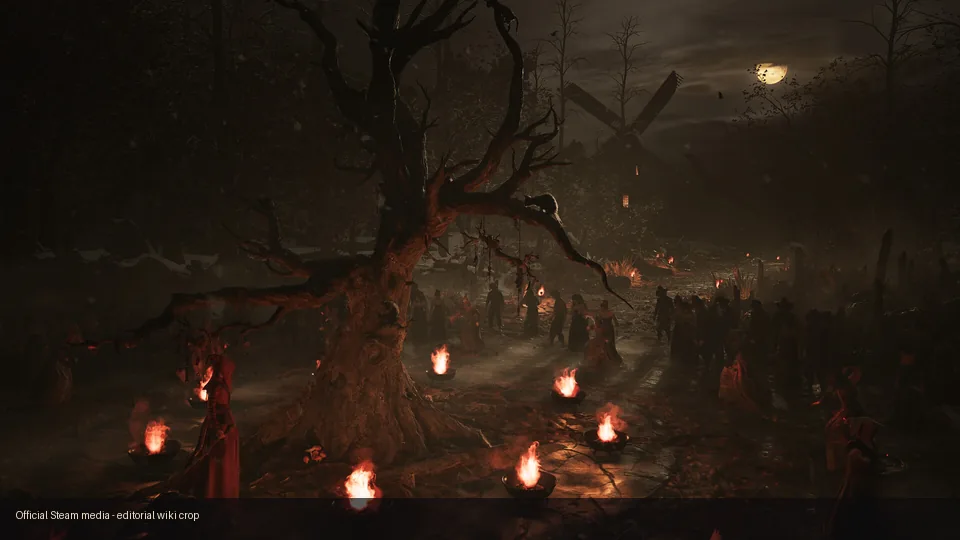
The safest current reading of the 1666 Amsterdam story is that Noa Brooklyn inherits a dangerous role rather than simply starting a revenge quest. Official descriptions frame Noa as The Collector, raised by the Zaindaris and pulled into a conflict with ancient entities called The Originals. Amsterdam in 1666 is not only a historical backdrop; it is the surface layer of a city where wealth, religion, plague-era fear, occult practice, and demonic disguise overlap.
Players searching for the 1666 Amsterdam story usually want two things: a clear explanation before playing the free Prologue, and a spoiler-safe way to track names such as Noa, Aaron, The Originals, The Collector, Zaindaris, and Esbat. This page keeps those terms in one place. It does not invent late-game twists, character endings, romance routes, boss identities, or final timeline answers that Panache Digital Games has not published.
The public Prologue is useful because it establishes tone, companion choice, mystery language, and the idea that the full game will move through more than one layer of time. The full 1666: Amsterdam story should be treated as unfinished public information until Early Access and later updates reveal more. For now, the most helpful approach is to understand the story architecture: who Noa is, what kind of threat The Originals represent, why the Esbat matters, and which details are still theory.
Timeline reading
How the 1666 Amsterdam timeline is currently framed
The exact chapter order is not public, but official material gives enough structure to separate confirmed setup from speculation.1666 gives the mystery its pressure
The year matters because Amsterdam is shown as a wealthy and unstable city where public order and hidden practices can exist side by side. The setting lets the story mix trade, superstition, faith, witchcraft, and unseen power without turning the game into a simple history lesson.
Noa enters the story as The Collector
Noa is not presented as a blank adventurer. The Collector role implies inheritance, duty, and a conflict that predates the playable moment. That is why story guides should track what Noa knows, what she learns, and what the player learns separately.
The Originals hide behind ordinary faces
Official descriptions point to demonic entities concealed within Amsterdam. This turns the story from a monster hunt into an investigation: the player has to read people, places, clues, and timing before judging who or what should be confronted.
The Esbat marks the confrontation layer
The Esbat is currently best understood as the night-side ritual pressure point where hidden forces become more directly reachable. It is a story term and a gameplay expectation, so this guide treats it carefully instead of reducing it to a generic boss arena.
The Prologue is the first lens, not the full timeline
The free Prologue introduces the world, companion framing, and mystery language. It should not be treated as proof of the full chapter count, final endings, complete faction list, or every time period the final game may use.
Characters and factions
Who matters in the story setup
These entries are written as spoiler-light orientation notes, not final wiki biographies.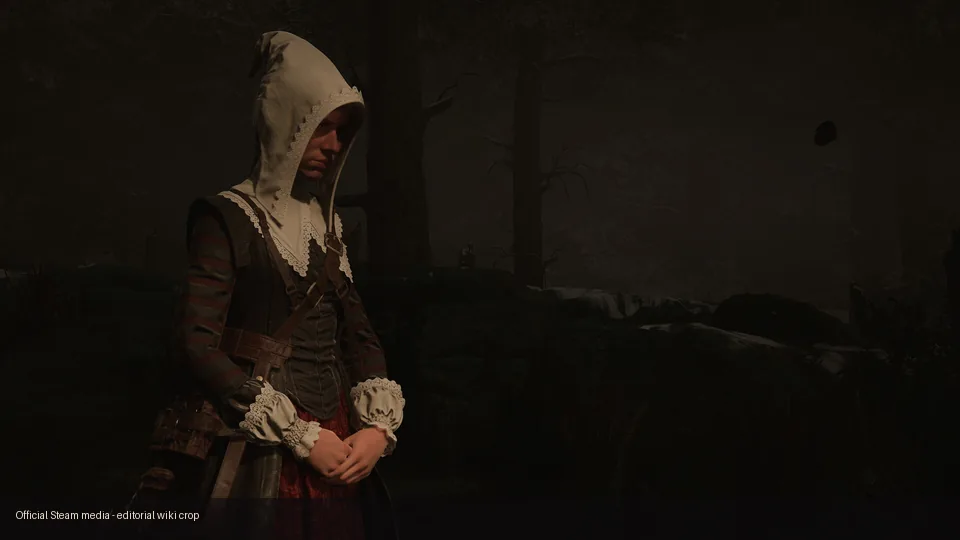
Noa Brooklyn
Noa is the player-facing center of the story. Her importance comes from the Collector role, the conflict she inherits, and the way the player discovers Amsterdam through her investigation rather than through neutral narration.
Aaron
Aaron is important because the game highlights a companion perspective, including cat-form play. For story reading, that makes Aaron more than atmosphere: he changes how players understand movement, observation, and trust.
The Zaindaris
The Zaindaris are tied to Noa's upbringing and the knowledge that prepares her for the hidden conflict. Until more is confirmed, they should be described as a formative faction rather than a fully mapped organization.
The Originals
The Originals appear to be the central hidden threat. The key story point is disguise: they are not just visible monsters, so evidence, identity, and timing matter.
Amsterdam itself
The city works almost like a character. Daylight offers public surfaces, while the night-side mystery suggests rituals, secrets, and confrontations that ordinary citizens may not recognize.
Story terms
Important terms without over-explaining the plot
Use this table as a glossary before reading deeper walkthrough or theory pages.| Term | Current meaning | Reader note |
|---|---|---|
| The Collector | Noa's role and story burden, connected to identifying and confronting hidden entities. | Track what the role allows Noa to do, but avoid assuming every power is already confirmed. |
| The Originals | Ancient or demonic forces hiding behind human appearances and Amsterdam events. | Best handled as a faction/threat page later, not as a full spoiler list today. |
| Esbat | A night-side ritual or confrontation concept tied to when concealed forces become reachable. | Useful for both story and gameplay pages because it bridges investigation and action. |
| Zaindaris | The group connected to Noa's upbringing and preparation for the Collector role. | Needs careful updates once Panache confirms names, members, and motives. |
| 1666 Amsterdam | The setting and title hook: a specific city-year used to anchor occult mystery, social tension, and investigation. | Do not confuse the game story with a pure article about real 1666 history. |
Spoiler policy
How to read the story without spoiling the Prologue
If you have not played the free Prologue, read the quick answer, glossary, and source notes first, then play before opening route-by-route walkthrough sections. The Prologue is short enough that a careless recap can remove the intended discovery rhythm.
If you have already played it, use this page as a map for future wiki pages: Noa and Aaron should become character pages, The Originals should become a threat/faction page, Esbat should become both a lore and mechanics page, and the timeline should become a spoiler-marked guide once the full game provides enough evidence.
- Confirmed facts belong near official-source links.
- Theory should be labeled as theory until Early Access verifies it.
- Real Amsterdam history can support context, but it should not replace the game's fictional plot.
- Walkthrough details should stay separate from this spoiler-light story overview.
Official media
Watch the trailer for tone, not final plot answers
A trailer is useful on this page because story searchers need tone, setting, character framing, and occult atmosphere before reading speculation.Verification
Sources used for story boundaries
Story pages can become unreliable when they turn trailer hints into invented lore. This guide anchors its claims to official store and developer sources, then labels unresolved details as unconfirmed.
- Primary keyword
- 1666 Amsterdam story
- Search intent
- Story explanation, timeline, characters, spoiler-light lore
- Media approach
- Official screenshots and official trailer embed
- Updated
- July 5, 2026
Next reading
Read next after the story overview
Prologue walkthrough
Use the spoiler-light route guide after you understand the story terms.
Open walkthroughGameplay guide
Connect the story concepts to investigation, witchcraft, and Esbat encounters.
Open gameplay guideRelease date status
Separate current Prologue facts from full-game Early Access timing.
Open release guideAI assets explained
Understand the public asset discussion without mixing it into story canon.
Open asset guideHistorical context: Amsterdam in 1666
Compare the real Golden Age city and Anglo-Dutch War with the game’s fictional plague and demons.
Read historical contextGames like 1666 Amsterdam
Compare the closest matches for powers, historical-city movement and investigation.
Games like 1666 AmsterdamFAQ