Historical context guide
What Happened in Amsterdam in 1666? Real History vs the Game
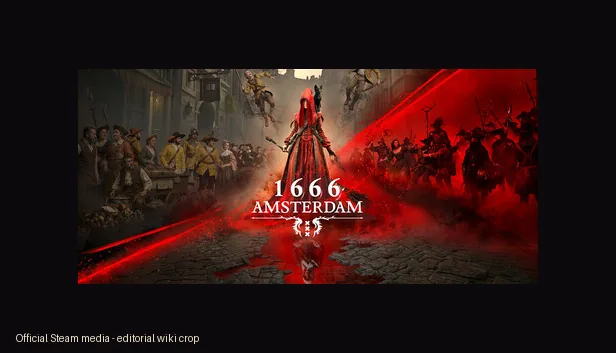
The real Amsterdam of 1666 was a wealthy, expanding port shaped by war, trade, migration, religion and civic ambition. The game borrows that city and year, then adds a fictional plague, witchcraft and demonic forces. This guide separates the historical setting from the supernatural story.
History first
The short answer: 1666 was tense, prosperous and very real—just not demonic
In 1666 Amsterdam stood near the height of the Dutch Golden Age. Its canal belt, warehouses, shipyards, exchanges and merchant networks connected the city to Europe and overseas trade. The population was diverse and fast-growing, but prosperity was uneven: wealthy regents and merchants lived beside sailors, laborers, migrants, servants and families vulnerable to disease or war-driven disruption.
The Dutch Republic was fighting the Second Anglo-Dutch War. The decisive naval clashes of 1666 occurred at sea rather than in Amsterdam’s streets, yet the conflict affected shipping, insurance, news, politics and the city’s sense of danger. The famous Great Fire of 1666 happened in London, not Amsterdam—a common historical mix-up worth correcting.
1666: Amsterdam uses this credible moment of anxiety as a foundation for alternate history. Noa, Aaron, the Zaindaris, The Originals, the Esbat and the supernatural plague belong to the game’s fiction. Players should read the city, architecture and social tensions as historically inspired, not as a documentary reconstruction.
Real chronology
Amsterdam around 1666: the useful historical timeline
These five points explain why 1666 gives the game such a strong setting without turning fiction into fact.Before 1666: a city transformed by expansion
Seventeenth-century canal construction, new districts and busy waterfronts reshaped Amsterdam. The recognizable rings of canals were civic infrastructure, prestige projects and commercial tools, not merely scenery.
1665–1666: war pressure reaches commerce
The Second Anglo-Dutch War made maritime trade more dangerous and politically urgent. Amsterdam merchants and officials watched fleets, convoy protection, prices and foreign news because the city’s prosperity depended on shipping.
June–August 1666: major naval battles
The Four Days’ Battle and St James’s Day Battle were fought at sea. Their consequences mattered to the Dutch Republic, but there was no historical demon siege of Amsterdam corresponding to the game’s crisis.
Daily life: wealth beside vulnerability
Markets, workshops, churches, synagogues, taverns, warehouses and crowded homes existed close together. Disease memories, fire risk, poverty and religious boundaries made fear believable even without supernatural monsters.
After 1666: history keeps moving
The war continued into 1667 and ended after the Dutch Raid on the Medway and the Treaty of Breda. This later sequence should not be collapsed into the game’s single dramatic year.
The real city
Five real forces that shaped Amsterdam
The game invents factions, but its world feels plausible because real Amsterdam was already full of competing institutions and communities.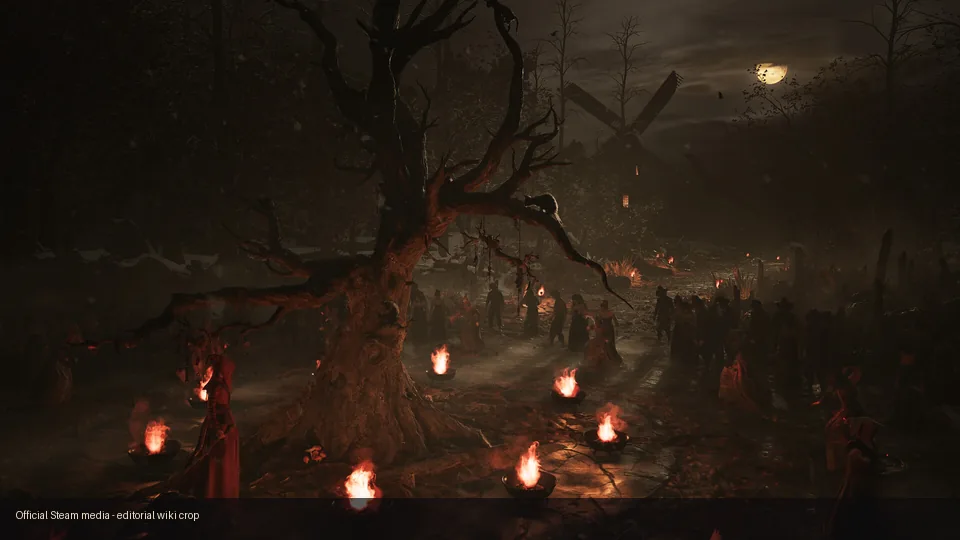
Merchant regents and civic government
Power rested heavily with wealthy merchant families and city regents. Their decisions influenced trade, public works, poor relief and Amsterdam’s response to military and economic pressure.
Sailors, dockworkers and shipyards
Amsterdam depended on maritime labor. Sailors and dockworkers experienced war risks directly, while shipyards connected distant naval events to local wages and households.
Migrants and religious communities
The city attracted newcomers, including Jewish communities and migrants from across Europe. Amsterdam was comparatively tolerant, but tolerance was regulated and did not erase discrimination or social boundaries.
Churches, charity and discipline
Reformed institutions were influential, while other faiths practiced under varying restrictions. Churches and charitable bodies helped organize relief, morality and community life.
Artists, printers and information networks
Print, maps, paintings, pamphlets and merchant correspondence circulated images and news. A city hungry for information is a fitting setting for a game built around investigation and uncertain evidence.
Reality check
Fact or fiction? A reader’s comparison table
Use this table before treating any trailer scene, lore claim or character as historical evidence.| Game element | Historical baseline | How to interpret it |
|---|---|---|
| Amsterdam in 1666 | A major Dutch port during the Second Anglo-Dutch War and the mature canal-age city. | Historically grounded setting and date. |
| A citywide supernatural plague | Amsterdam had real experience with epidemic disease, but the game’s demonic outbreak is fictional. | Alternate-history threat, not a documented 1666 event. |
| Noa, Aaron and the Zaindaris | No reliable historical record supports these game characters or faction as real people or institutions. | Narrative inventions placed inside a historical city. |
| The Originals and Esbat creatures | No historical evidence supports supernatural enemies roaming Amsterdam. | Fantasy and horror mechanics. |
| Canals, brick streets and civic buildings | These draw on the real built environment, although layouts and interiors may be compressed for play. | Historically inspired art direction rather than a survey map. |
How to read the game
What the game can teach—and where it must not be trusted
A historical action game can make architecture, class difference, maritime anxiety and religious tension easier to imagine. Its strongest educational value is atmosphere: how canals organize movement, how trade shapes power, and how uncertain news can make a city feel unstable.
The limit is equally important. Dramatic characters, secret factions, supernatural explanations and compressed timelines serve gameplay. Verify real history through museums, archives and scholarly references, especially before repeating a claim about plague, war or a named person.
- Treat official store descriptions as sources for game facts, not seventeenth-century history.
- Treat museum and historical references as sources for the real city, not for unreleased plot details.
- Do not confuse the Great Fire of London with an Amsterdam disaster.
- Separate ‘historically inspired’ from ‘historically documented.’
Visual evidence
Watch the trailer as fiction informed by history
The trailer is useful because it shows which details are visual world-building and which are openly supernatural. Compare its canals, interiors and clothing with the fictional enemies and powers.Verification
Sources for separating the real city from the game
Game claims come from official developer and store pages. Historical framing comes from museum and reference sources.
- Page updated
- July 14, 2026
- Primary intent
- Amsterdam 1666 history and game context
- Historical boundary
- Real city and war; fictional plague and demons
- Media approach
- Official game artwork, screenshot and relevant trailer
Next reading
Continue with the game-specific guides
Story explained
Move from real history to Noa, The Collector, The Originals and the game’s confirmed lore.
Open story guideGameplay explained
See how investigation, witchcraft and combat turn the historical city into a playable space.
Open gameplay guideCharacters and factions
Separate confirmed characters from invented or unverified cast claims.
Open character guideRelease date status
Check the Prologue, Early Access and full-game timing through official sources.
Open release guideCommon questions