Gameplay guide
1666 Amsterdam Gameplay: Combat, Witchcraft and Investigation Explained
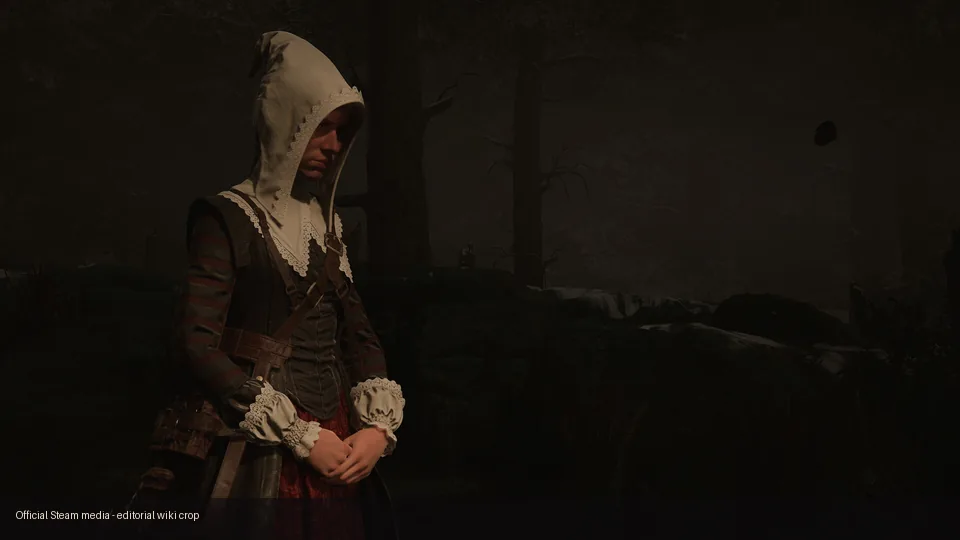
1666: Amsterdam is not a simple Assassin-style revival or a pure action game. Current official material points to a third-person, story-led action adventure where Noa investigates demonic entities, uses witchcraft, and decides when to observe, deceive, or confront The Originals.
Quick answer
The core loop is investigate first, then use witchcraft and action when the threat is clear.
Based on official store copy, trailers, and the free Prologue framing, 1666 Amsterdam gameplay is built around a dark narrative loop: explore Amsterdam as Noa, read clues, identify who or what is connected to The Originals, then use supernatural tools and direct action when the Esbat threat comes into focus.
Players searching for “1666 Amsterdam gameplay” usually want to know whether the game is stealth, open-world action, horror, or detective adventure. The safest answer today is hybrid: third-person action adventure with investigation, traversal, witchcraft, and occult encounters. The public Prologue gives the tone and first playable structure, while the full Early Access game is expected to broaden systems and consequences.
This page avoids inventing unconfirmed mechanics such as skill trees, full weapon lists, romance systems, multiplayer, or console-only controls. It separates what is visible or officially described from what is still a reasonable expectation for later builds.
Gameplay intent boundary
What belongs in this gameplay guide and what does not
Gameplay readers need concrete system boundaries: what can be watched, what the Prologue can test, which mechanics are official, and which details remain unknown until Early Access expands.What belongs in this gameplay guide and what does not
Gameplay readers need concrete system boundaries: what can be watched, what the Prologue can test, which mechanics are official, and which details remain unknown until Early Access expands.
Similarweb candidate handling
Phrase-match, related, and question tabs were checked. Exact-fit terms were added as support or FAQ; noisy, unrelated, or distinct comparison queries were marked no-action or future-page only.
Keyword boundary
This page keeps its current URL and intent. Candidate terms are not used to create new pages in this task.
Core loop
How a 1666 Amsterdam gameplay session is likely structured
The game presents mystery, movement, occult pressure, and confrontation as one connected loop rather than separate mini-games.Enter a district or story scene
Official screenshots and trailers focus on moody Amsterdam streets, interiors, and ritual spaces. Expect exploration to carry story clues rather than just scenery.
Read the situation before fighting
The premise is about finding demonic entities hiding behind people and events. That makes observation, dialogue context, and environmental hints part of the gameplay loop.
Use witchcraft as a problem-solving layer
Witchcraft is positioned as Noa’s defining tool. Treat it as more than combat effects: it may expose, manipulate, protect, or pressure the supernatural threat depending on the scene.
Confront The Originals during the Esbat
The Esbat is described as the moment where hidden entities can be confronted. That suggests gameplay escalation from investigation into direct supernatural conflict.
Carry consequences into later routes
The Prologue is short, but the full game is framed as a broader narrative adventure. Choices, discoveries, and missed clues may matter more as Early Access expands.
Systems
Combat, witchcraft, investigation, and traversal
The most useful way to understand 1666 Amsterdam is by separating confirmed pillars from unconfirmed detail.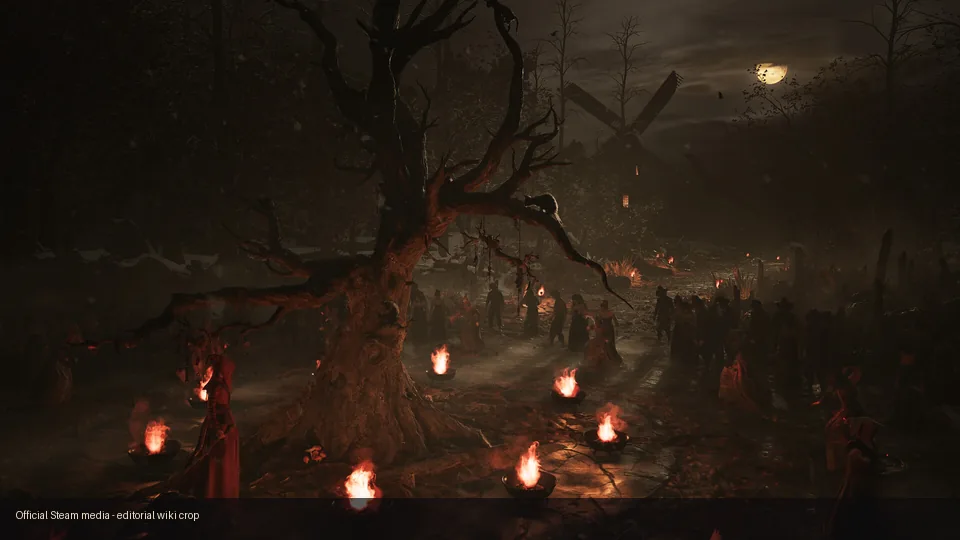
Third-person action
The camera, trailer framing, and store genre point to third-person action-adventure rather than point-and-click investigation or turn-based combat.
Witchcraft tools
Official descriptions emphasize Noa’s witchcraft. Until the full systems are public, think of magic as the main interaction layer instead of a list of confirmed spells.
Investigation pressure
The player goal is not only to defeat enemies but to identify supernatural actors and understand what each scene is hiding.
Occult horror tone
The visuals lean into darkness, demonic presence, and ritual language, but the available material supports action-adventure more than survival-horror resource management.
Story-driven choices
The Prologue and store copy emphasize narrative discovery. The safest player approach is to explore slowly and preserve context before making assumptions.
Prologue notes
What the free Prologue can and cannot tell you
The Prologue is the best current way to feel the pacing, tone, introduction, and basic interaction style. It helps answer whether the atmosphere, character framing, and camera movement work for you before you follow Early Access updates.
It should not be treated as a complete mechanical review. A short Prologue can hide progression, enemy variety, advanced witchcraft, upgrade structure, later map scale, and repeated combat rhythm. Use it as a first-read sample, not a full verdict.
- Use the Prologue to judge tone, camera, performance, and writing style.
- Do not assume the Prologue contains every enemy, spell, district, or mission type.
- If you dislike spoilers, play first and return to the walkthrough only after the opening sequence.
- Wishlist the full game separately; the Prologue and full game are different store apps.
Expectation check
Prologue gameplay vs full game expectations
This table keeps confirmed play material separate from likely but still unconfirmed full-game expansion.| Aspect | Current Prologue reading | Full game expectation | Player takeaway |
|---|---|---|---|
| Length | A short playable introduction. | A broader story-led adventure after Early Access expands. | Do not judge total scope from the opening alone. |
| Combat | Introductory supernatural conflict and action pacing. | More enemy patterns, encounters, and witchcraft applications are likely but not fully listed. | Watch official updates before assuming exact systems. |
| Investigation | Sets up Noa, the world, and the mystery. | Should deepen clue reading, identities, and Esbat confrontations. | Explore thoroughly instead of rushing objective markers. |
| Progression | Limited by demo scope. | Progression may change during Early Access. | Avoid guides that claim final builds or complete skill trees too early. |
Gameplay media
Watch a gameplay trailer before reading spoiler-heavy posts
A gameplay trailer is useful here because the query is visual: players want to see camera angle, tone, combat rhythm, and supernatural presentation.Verification
Official pages used for gameplay boundaries
Gameplay pages get outdated quickly when Early Access changes. Verify core claims on official store or developer pages before treating any mechanic as final.
- Page updated
- June 25, 2026
- Primary intent
- Gameplay, combat, witchcraft, investigation
- Developer / publisher
- Panache Digital Games
- Media approach
- Official screenshots and official trailer context
Next reading
Read next
Prologue walkthrough
Use the spoiler-light route guide when you are ready to play the free opening build.
Open walkthroughSystem requirements
Check PC specs, DirectX 12, SSD, 16 GB RAM, and ray-tracing notes before installing.
Open requirementsRelease date status
Separate the free Prologue, Early Access expectation, and full-game TBA status.
Open release guideAI assets explained
Understand the public asset discussion and what players should verify in later builds.
Open asset guideFAQ