Franchise relationship guide
Is 1666 Amsterdam Assassin's Creed?
No. 1666: Amsterdam is a separate Panache Digital Games property, not an Assassin's Creed sequel, spin-off, or Ubisoft release. The strong resemblance comes from creator Patrice Désilets, the project's complicated ownership history, and a shared interest in historical-city action.
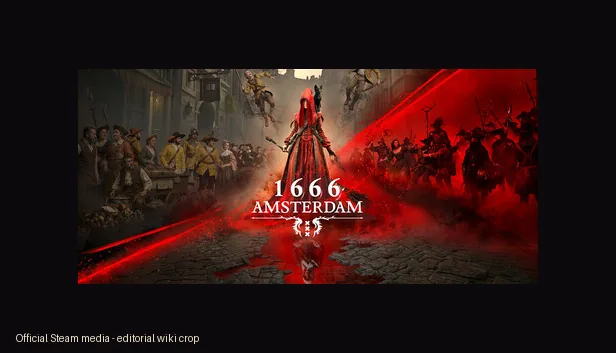
Quick answer
1666: Amsterdam is related by creative history, not by franchise
1666: Amsterdam is not part of Assassin's Creed. It has its own setting, characters, supernatural premise, store pages, developer, and publisher. Ubisoft does not list it as an Assassin's Creed title, while the current official Steam page identifies Panache Digital Games as both developer and publisher.
The connection is Patrice Désilets. He was a creative director on the early Assassin's Creed games, later began 1666: Amsterdam at THQ Montreal, and continued pursuing the idea after a long dispute with Ubisoft over his employment and the project's intellectual-property rights. That history explains why searches such as ‘1666 Amsterdam Assassin's Creed’ and ‘is 1666 Amsterdam an Assassin's Creed game?’ are common, but it does not make the new game an Ubisoft franchise entry.
The safest way to describe it is: an independent historical action-adventure from an Assassin's Creed creator, with some overlapping design interests but a different world and ownership chain.
Ownership timeline
How Assassin's Creed, Ubisoft and 1666: Amsterdam became connected
The relationship makes sense once the creator and rights timeline is separated from the fiction of either game series.Patrice Désilets helped define early Assassin's Creed
Before 1666: Amsterdam, Désilets was closely associated with the creative direction of Assassin's Creed and Assassin's Creed II. This is the real creative link behind most comparisons.
1666: Amsterdam began at THQ Montreal
After leaving Ubisoft, Désilets joined THQ Montreal and worked on a new historical project. THQ's collapse led Ubisoft to acquire the studio and its projects in 2013.
Ubisoft and Désilets disputed the project
Désilets was dismissed after returning to Ubisoft and pursued legal action. Contemporary reporting described 1666: Amsterdam as the central intellectual property in the dispute.
A 2016 settlement returned the rights
Ubisoft and Désilets settled their dispute in 2016, with reporting stating that he regained the rights to 1666: Amsterdam. That outcome is a key reason the project can now exist outside Ubisoft.
Panache now presents the game independently
The current project is associated with Panache Digital Games and has its own official store presence. Its modern identity is separate from Assassin's Creed even though the creator's earlier work informs audience expectations.
Design comparison
Why the games can look related at first glance
The similarities are broad creative ingredients, while the confirmed premise and ownership are distinct.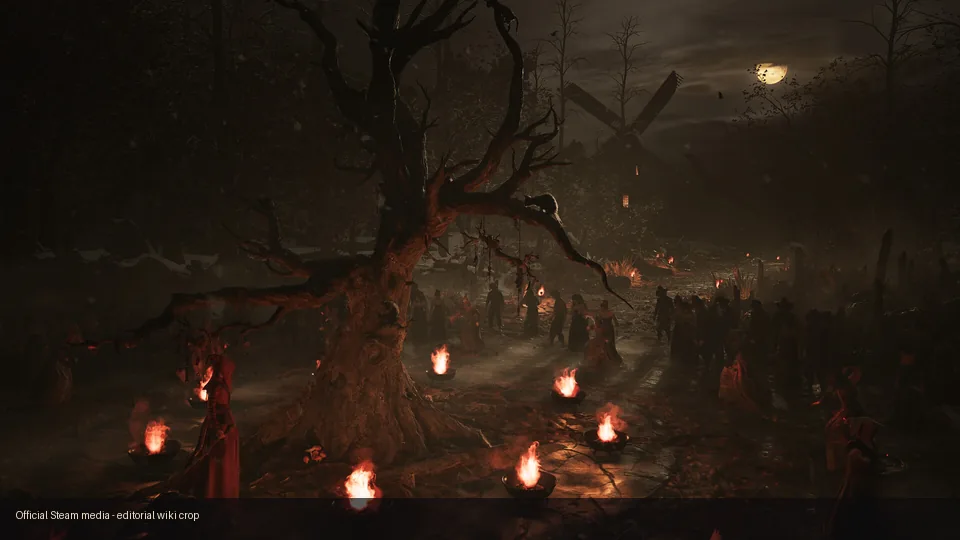
A historical city as a playable system
Both projects attract players who enjoy navigating a recognizable historical place rather than a generic fantasy map. That is a design comparison, not evidence of a shared universe.
Creator-led expectations
Players associate Désilets with layered movement, stealth, systemic encounters and history-driven storytelling. Those expectations follow the creator even when the franchise changes.
Different supernatural framework
1666: Amsterdam is framed around the Collector, witchcraft, the Originals and the Esbat. It is not built around Assassins, Templars, the Animus or Pieces of Eden.
Different business identity
The official page names Panache Digital Games. There is no Ubisoft branding, Assassin's Creed subtitle, or first-party statement positioning it as a franchise spin-off.
Fact check
1666 Amsterdam vs Assassin's Creed: what is and is not connected
Use this table to separate confirmed history from visual or thematic assumptions.| Topic | Confirmed connection | Not confirmed | Best conclusion |
|---|---|---|---|
| Creator | Patrice Désilets worked on early Assassin's Creed and later created 1666: Amsterdam. | That creator link does not make every later project an Assassin's Creed game. | Describe it as a game from an Assassin's Creed creator. |
| Publisher and owner | Ubisoft acquired the THQ Montreal project and later settled the rights dispute. | Ubisoft is not presented as the current developer or publisher. | Use the current Panache and Steam listings for present-day ownership context. |
| Universe | Both use historical settings and action-adventure language. | No shared canon, Animus, Assassin Brotherhood or Templar storyline is announced. | Treat the worlds as separate unless an official source says otherwise. |
| Gameplay | Historical exploration, investigation and combat create understandable comparisons. | A similar camera or city does not prove identical parkour, stealth or mission structure. | Judge mechanics from the Prologue and official gameplay material. |
| Name and branding | The official title is 1666: Amsterdam. | It is not marketed as Assassin's Creed: 1666 or an Ubisoft spin-off. | Avoid fan-made franchise labels in downloads, videos and guide titles. |
Current game identity
What the official material shows instead
The present game should be evaluated through its own characters, systems and official pages.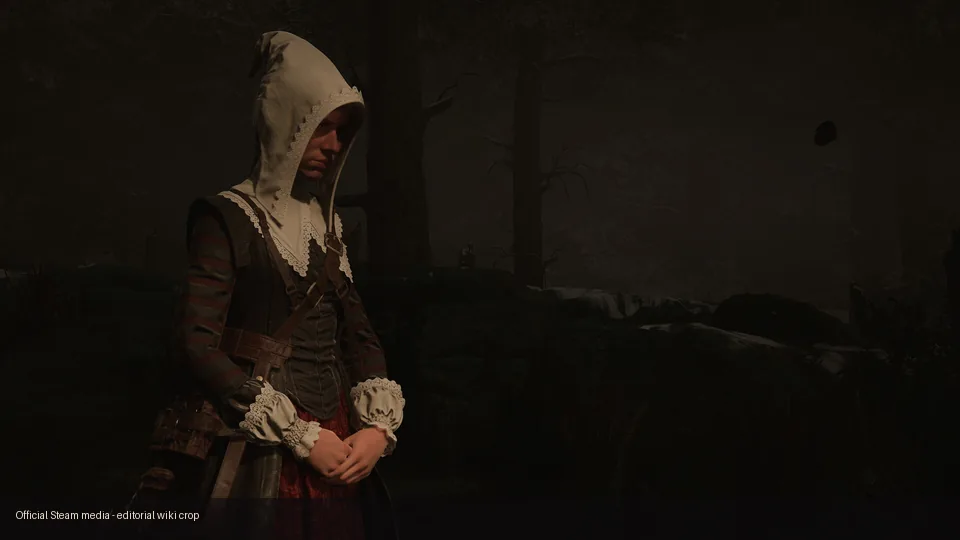
Source check
Where the relationship is documented
The current identity comes from official Panache and Steam pages. The ownership timeline is supported by contemporary reporting on the Ubisoft settlement and return of the intellectual-property rights.
- Current developer
- Panache Digital Games
- Current publisher
- Panache Digital Games
- Ubisoft settlement
- Reported in April 2016
- Page checked
- July 29, 2026
Continue reading
Related 1666 Amsterdam guides
Patrice Désilets' next game
Follow the creator-led history from Assassin's Creed to Panache and the current 1666: Amsterdam project.
Read creator guideGames like 1666 Amsterdam
Compare the confirmed game pillars with Assassin's Creed Unity, Dishonored 2 and other close matches.
Open comparisonsFAQ