Development history guide
1666 Amsterdam Development History: When Did Development Begin?
The public record places 1666: Amsterdam's original development in the THQ Montreal era around 2012–2013. The project then passed through a Ubisoft rights dispute before the 1666 property returned to Patrice Désilets. This guide separates that history from Panache Digital Games' current project, the free 2026 Prologue, and the still-changing full game.
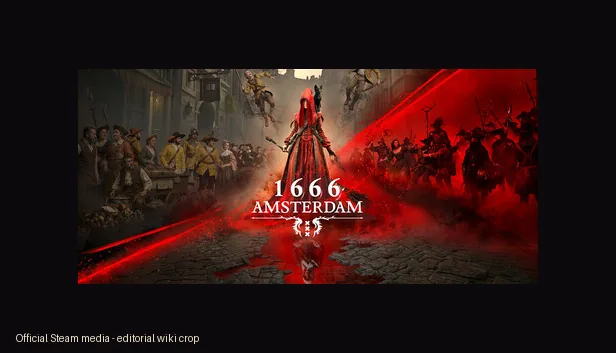
Quick answer
The original project started before Panache's current version, so one date cannot explain the whole development story
If you are asking when 1666 Amsterdam development began, the safest answer is that the first publicly documented version was being developed at THQ Montreal around 2012–2013 under Patrice Désilets. That is the origin of the name and historical setting, not proof that every mechanic from that project survived into the current game.
The timeline changed when Ubisoft acquired THQ Montreal in 2013 and Désilets later left the company. The 1666 property became part of a rights dispute, and public reports in 2016 described an agreement that returned the intellectual property to Désilets. Panache Digital Games could then develop a new 1666: Amsterdam project on its own terms.
The current public milestone is easier to verify than the earliest production details: Panache presents 1666: Amsterdam as an independent project, Steam lists a separate free Prologue released on June 5, 2026, and the full-game store page still carries its own changing release field. This page therefore treats the Prologue as evidence of the current project, not as a complete archive of the original THQ Montreal build.
Project timeline
From the THQ Montreal concept to the current Panache Prologue
Dates below are limited to milestones supported by public reporting or first-party store/developer pages. Unknown details stay labeled as unknown.2012–2013: THQ Montreal origin
The original 1666: Amsterdam project was associated with Patrice Désilets and THQ Montreal. Early public material established the historical Amsterdam setting and the project name, but it does not give players a complete production plan or final feature list.
2013: Ubisoft acquisition changes the context
Ubisoft acquired THQ Montreal, and the project became entangled with the company transition. Désilets' departure and the following legal dispute explain why older 1666 material should not be read as a current Ubisoft product page.
2016: rights return to Désilets
Contemporary reporting described a settlement that returned the 1666 intellectual property to Patrice Désilets. This is the bridge between the abandoned or interrupted THQ-era project and the later independent Panache direction.
Panache phase: a new project, not a recovered build
Panache Digital Games became the first-party home for the current 1666: Amsterdam project. The developer's official material frames it as a dark action-adventure with investigation, witchcraft, Noa, and supernatural enemies called The Originals.
June 5, 2026: the free Prologue becomes playable
The Steam Prologue gives players a current, official sample of the project's tone and story setup. It is a separate store entry from the full game, so a Prologue release date should not be mistaken for the full game's launch date.
What the history explains
Why old 1666 Amsterdam material and the current game are easy to confuse
The name is continuous, but the ownership, studio context, and public evidence changed. These are the five distinctions to keep in mind when reading old articles or forum posts.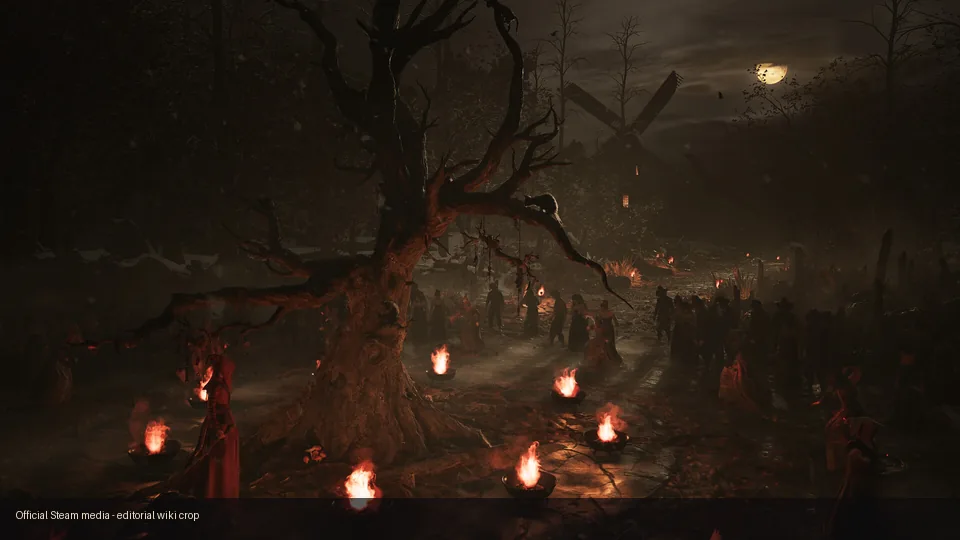
The creator connection is real
Patrice Désilets is the key link between the early THQ Montreal project, the later rights story, and the Panache project. That connection explains the recurring name, but it does not make the game an Assassin's Creed sequel.
The studio context changed
THQ Montreal, Ubisoft, and Panache Digital Games belong to different stages of the public record. A headline that names one studio may be describing a historical milestone rather than the current developer.
The current game has its own evidence
Panache and the official store pages now describe Noa, witchcraft, investigation, the Originals, and the Esbat. Those current descriptions are safer evidence for today's guide than screenshots or feature claims from the early project.
The Prologue is a milestone, not the whole archive
The free Prologue is useful because it is playable and first-party. It can show tone, introduction, and a slice of the current design, but it cannot prove the final scope or preserve every earlier production decision.
A full development budget is not public
Similarweb questions include budget wording, but no reliable first-party budget figure is published on the sources checked for this guide. Do not repeat a forum number as a confirmed production fact.
Fact-check table
Confirmed development history versus details still unknown
This table keeps the page useful for researchers without turning old rumors into a fake production database.| Topic | Confirmed or strongly supported | Not confirmed | Reader action |
|---|---|---|---|
| Original start | Public reporting places the THQ Montreal project around 2012–2013. | An exact internal start day, full staff list, and complete budget are not publicly verified. | Use the period as a cautious historical range. |
| Ubisoft connection | Ubisoft acquired THQ Montreal and the project later became part of a rights dispute. | The current Panache game is not an Assassin's Creed sequel or Ubisoft release. | Read the relationship guide for ownership context. |
| Current developer | Panache Digital Games presents the current 1666: Amsterdam project. | Every mechanic shown in early concept material will appear in the final game. | Prefer current Panache and store descriptions. |
| Playable milestone | The free Prologue has an official Steam listing and a June 5, 2026 release date. | The Prologue date is not a confirmed full-game launch date or public version number. | Use the official Prologue page for access and the release guide for status. |
Official media
Watch the current announcement material after reading the older history
The official trailer is useful here because it shows the present project's tone and supernatural direction. It should not be treated as a complete record of the original THQ Montreal production build.Verification
Sources checked for the development-history brief
The page uses first-party store/developer pages for current availability and established games press for the historical rights timeline. No public budget or final internal start date is presented as fact.
- Checked
- August 6, 2026
- Current developer
- Panache Digital Games
- Playable entry
- 1666: Amsterdam Prologue, Steam app 4519690
- Version status
- No verified public version number or final-file size
Continue researching
Use the right existing page for the next question
Patrice Désilets' next game
A creator-led overview of why 1666: Amsterdam is associated with Patrice Désilets and how the current project differs from Assassin's Creed.
Open creator guideIs 1666 Amsterdam Assassin's Creed?
The ownership and rights guide covers the THQ Montreal, Ubisoft, settlement, and independent Panache relationship in more detail.
Open relationship guide1666 Amsterdam release date
Use this page for the current separation between the Prologue date and the full game's changing official release field.
Open release guide1666 Amsterdam Prologue review
Read the current playable-build evaluation without treating a short Prologue as the whole development archive.
Open Prologue reviewFAQ